Best Back-to-School Games for Kids in 2026 (That Build Confidence Before the First Day)
The backpacks are packed. The lunchboxes are labeled. The pencils are sharpened.
And plenty of parents are still asking a completely different question: how do I get my kid excited about this instead of anxious?
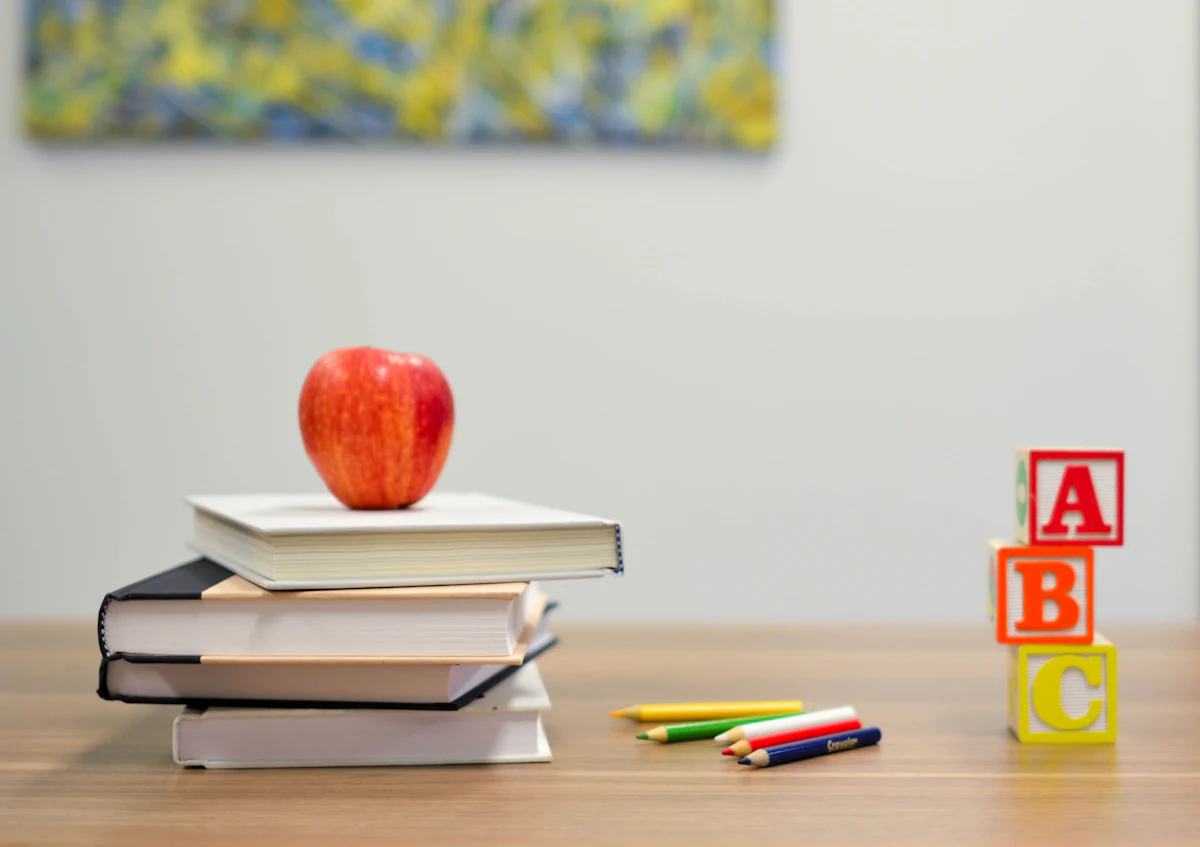
The thing backpacks don't fix
Every August, millions of kids get a new classroom, a new teacher, new classmates, and a new routine all at once. Some of them can't wait. Plenty of them are quietly worried about finding the bathroom.
Back-to-school shopping is one of the biggest retail seasons in the country — families spend billions on supplies every year, according to the National Retail Federation. Almost none of that spending touches the actual problem.
Confidence isn't on the supply list. But it can be built before the first bell.
Why games work before the first day
Kids don't prepare the way adults do. Adults make lists. Kids imagine.
They picture the classroom. They wonder if they'll like the teacher. They think about who they'll sit with at lunch. And they worry about fitting in.
Games give them somewhere safe to practice all of that. The American Academy of Pediatrics calls play "brain building" — it develops executive function, emotional regulation, language, and problem-solving. Which is a clinical way of describing exactly what a nervous six-year-old needs.
Games do a few things worksheets can't:
- Build confidence through small, repeated wins
- Teach persistence after failure, with low stakes
- Strengthen memory and attention
- Make learning feel like something they chose
Ten back-to-school games that work
1. A personalized adventure starring your child
Instead of playing as someone else, your kid is the hero.
That's what GameQ builds. One photo becomes a personalized game where your child is the main character — their favorite things become collectibles, their pet can become a sidekick, their inside jokes end up in the story.
For a kid heading into a new school year, watching yourself overcome obstacles is a useful rehearsal. See the Back-to-School Bundle (code SCHOOL30 is running this season).
2. Storytelling prompts
Ask: "What would your perfect first day look like?" Or: "What kind of superhero would you be at school?"
These sound like games. They're actually a way for kids to voice what they're worried about without having to name it directly.
3. Alphabet treasure hunts
Hide objects around the house; have them find something for every letter. Letter recognition, vocabulary, and observation — none of it feeling like practice.
4. Family trivia night
Animals, geography, science, books, family memories. The point isn't the facts. It's that learning happens in a room where everybody's laughing.
5. Puzzle challenges
Jigsaws, logic games, escape-room kits. Critical thinking, patience, concentration — used in a classroom every single day.
6. Reading adventures
Don't just read the book. Ask "what would you have done?" and "what happens next?" A passive reader becomes a participant.
7. Outdoor adventure games
Obstacle courses, nature scavenger hunts, relay races. Physical activity improves mood and lowers stress, which is half the battle in the week before school starts.
8. Building challenges
Blocks, magnetic tiles, LEGO, cardboard forts. The lesson isn't engineering — it's that there isn't always one right answer. Useful in school. Useful everywhere.
9. Memory games
Plain matching games remain one of the best brain-building activities for younger kids: focus, visual memory, pattern recognition, attention span.
10. Draw your dream classroom
Have them draw the classroom, the teacher, the best possible school day, the friends they hope to make. Visualization swaps uncertainty for anticipation — and the drawing usually tells you what they're actually nervous about.
Why personalized games build confidence
Kids naturally cast themselves as the hero. Astronaut, striker, firefighter, superhero — pretend play is how children rehearse confidence before they need it.
Researchers consistently tie imaginative play to emotional resilience, self-confidence, problem-solving, and social intelligence. When a child imagines succeeding, they're practicing succeeding.
Personalization removes the last bit of distance. There's no character to identify with, because the character is them. (More on the psychology in Why Kids Love Seeing Themselves in Games.)
Why experiences beat another toy
The global toy industry clears well over $100 billion a year. Ask an adult to name the toys they owned at seven and watch them stall.
Ask about their favorite teacher, their first soccer team, the night before the first day of school — instant answers. Memory latches onto emotion, novelty, and personal involvement. Objects rarely supply all three.
That gap is the whole argument for experience gifts, covered in more depth in Experience Gifts vs Toys and What Kids Actually Remember From Childhood.
More than a game
None of these games are really about winning.
They're about a kid arriving at a new classroom already believing they can handle it — ready to make friends, ready to try, ready to be wrong in front of people and keep going.
Sometimes the fastest route there is letting them be the hero of something first. Build their back-to-school adventure.
Related reading: First Day of School Gift Ideas, How to Help Kids Feel Confident Starting School, and the Kindergarten Readiness Checklist.
Frequently asked questions
What are the best back-to-school games for kids?
The ones that build confidence rather than drill curriculum. Personalized adventures, storytelling prompts, alphabet treasure hunts, family trivia, puzzles, memory games, and outdoor challenges all work — because they let kids practice solving problems without it feeling like homework.
Do games actually help kids prepare for school?
Yes. The American Academy of Pediatrics describes play as "brain building" — it supports executive function, emotional regulation, language, and problem-solving. Those are the exact skills a child needs walking into a new classroom.
How do I help a nervous child before the first day of school?
Give them low-stakes practice at being capable. Games, storytelling, and visualization ("draw your dream classroom") let kids rehearse confidence before they need it. Talking through what they're nervous about matters as much as the activity itself.
What age is a personalized GameQ game for?
GameQ has several game styles — puzzles, platformers, adventures, racers, and story experiences — so parents can pick something that matches their child's age and interests.
Does GameQ require an app download?
No. Games are delivered as a secure web link that opens in a browser on phones, tablets, laptops, and desktops. Nothing to install.
Why do personalized games build confidence?
Because the child watches themselves overcome obstacles rather than watching someone else do it. Pretend play has long been understood to help kids rehearse resilience — personalization sharpens that effect by removing the gap between the player and the hero.
5 minutes of questions, a preview before you pay, ready within an hour.
Start building